Steps Involved in the Construction Process
Starting a construction project—whether it’s a new home, office space, or renovation—can be exciting but also overwhelming. The success of any project lies in careful planning and budgeting. Without a proper roadmap, unexpected costs, delays, and design issues can quickly turn your dream project into a financial burden. By taking time to organize your plan, allocate resources wisely, and track progress, you can ensure smooth execution and avoid costly mistakes.
This guide will walk you through step-by-step planning and budgeting strategies to help you achieve a successful construction project.
1. Define Your Project Scope Clearly
Every construction project begins with a vision, but that vision needs to be transformed into a detailed plan. Clearly defining the scope ensures that everyone involved understands what is being built, how it will be used, and the standards it must meet. A well-outlined scope prevents confusion, sets realistic expectations, and serves as the foundation for cost estimation. Without this clarity, projects often face design changes, delays, and financial strain.
- Identify Project Goals: Decide whether your project is a residential build, office renovation, or commercial facility. The clearer the vision, the easier it will be to estimate costs.
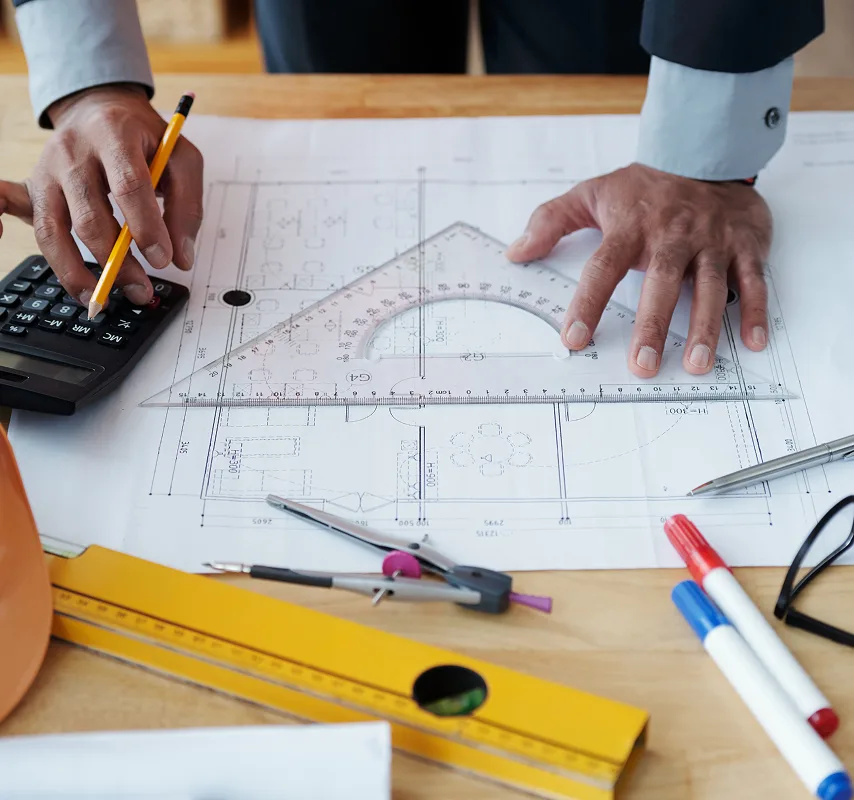
- Create Detailed Plans:Include architectural drawings, layouts, and specifications. This helps contractors and engineers give accurate estimates.
- Set Priorities: Highlight what’s non-negotiable (e.g., safety standards, material quality) and what can be adjusted to fit the budget.
2. Develop a Realistic Budget
Budgeting is more than just adding up costs—it is about anticipating needs, preparing for risks, and ensuring financial stability throughout the project. A detailed budget covers materials, labor, permits, equipment, and hidden expenses that often go unnoticed at the start. By also including a contingency fund, you protect yourself from unexpected price hikes or on-site challenges. A realistic budget keeps the project on track and avoids mid-construction financial roadblocks.
- Break Down Costs
- facility. The clearer the vision, the easier it will be to estimate costs.- Labor (contractors, engineers, skilled/unskilled workers)- Permits and approvals- Equipment and machinery rentals- Utilities (temporary power, water, site maintenance)
- Plan for Contingencies: Always set aside 10–15% of your budget for unexpected costs such as material price hikes or design changes.
- Use Cost Estimation Tools: Modern software and online calculators can give realistic budget estimates based on project size and location.
3. Choose the Right Contractors and Suppliers
The quality and reliability of your contractors and suppliers can make or break your project. Experienced professionals bring not only skill but also efficiency, helping you avoid costly mistakes and delays. Always research their track records, check certifications, and compare proposals to find the best fit. By building strong partnerships, you gain better communication, smoother project flow, and a guarantee that your budget and timeline are respected.
- Research & Compare: Collect multiple quotes from contractors and suppliers. Don’t always go with the cheapest; focus on reputation and reliability.
- Check Past Work: Look at previous projects, testimonials, and certifications.
- Negotiate Contracts: Clearly define payment terms, deadlines, and scope of work in writing to avoid disputes.
- Research & Compare: Collect multiple quotes from contractors and suppliers. Don’t always go with the cheapest; focus on reputation and reliability.
- Check Past Work: Look at previous projects, testimonials, and certifications.
- Negotiate Contracts: Clearly define payment terms, deadlines, and scope of work in writing to avoid disputes.
4. Create a Timeline and Schedule
Time is money in construction, and delays almost always lead to additional expenses. A well-structured timeline breaks the project into phases and assigns realistic deadlines, ensuring that work progresses smoothly. Scheduling helps in resource allocation, reduces downtime, and keeps contractors accountable. Regular reviews of progress allow adjustments when necessary, preventing small delays from snowballing into major disruptions.
- Keep Financial Records: Track every expense to stay within budget. Use spreadsheets or project management software.
- Review Regularly: Compare actual costs vs. planned costs at each phase.
- Stay Flexible: If unexpected expenses arise, adjust priorities without compromising safety or quality.
5. Track and Adjust Throughout the Project
No matter how well you plan, every construction project will encounter unexpected changes. That’s why constant tracking of both finances and progress is essential. Maintaining detailed expense records, reviewing cost-to-budget comparisons, and staying flexible with decisions allows you to adapt without losing control. By monitoring closely, you ensure that the project stays aligned with your goals, remains within budget, and reaches completion successfully.
- Break the Project into Phases: Example: Design → Permits → Foundation → Structure → Finishing → Handover.
- Assign Deadlines: Work with contractors to set realistic completion dates for each phase.
- Monitor Progress Regularly: Weekly or monthly reviews help identify delays early and adjust schedules.
Worked Example (Simple flooring replacement)
| Category | Estimated Cost % | Details |
|---|
| Land & Permits | 10% | Purchase of land, government approvals, legal fees, and zoning permits. |
| Design & Planning | 5% | Architectural drawings, engineering fees, project management consultations. |
| Materials | 35% | Cement, steel, wood, fixtures, paints, and finishing supplies. |
| Labour | 25% | Contractors, skilled/unskilled workers, site supervisors, and engineers. |
| Equipment & Machinery | 10% | Rental/purchase of heavy machines, safety gear, and tools. |
| Utilities & Services | 5% | Temporary electricity, water supply, waste management, and site security. |
Conclusion
A construction project’s success is never by accident—it’s the result of careful planning, realistic budgeting, and consistent monitoring. By defining your scope, preparing a detailed budget, hiring reliable partners, scheduling tasks effectively, and tracking expenses, you’ll avoid costly surprises and achieve a smoother project journey.


No comments yet.