6 Must-Follow Safety Rules Every Jobsite Needs
Introduction
A construction site is one of the most dynamic and high-risk workplaces. Without strict safety measures, even minor oversights can lead to major accidents, delays, and costs. Establishing clear safety rules ensures not only compliance but also trust among workers and stakeholders. Below are six essential safety rules every jobsite must follow, with sub-points showing how to put them into practice.
1. Mandatory Site Induction & Training
Clear orientation for all workers
Every new worker or visitor should undergo a structured induction covering site hazards, emergency procedures, PPE requirements, and reporting protocols. This induction not only provides awareness of risks but also establishes behavioral expectations on day one. When delivered effectively, inductions help prevent confusion, build confidence among new workers, and demonstrate management’s commitment to safety. A short site walk after induction reinforces theoretical knowledge with real-world context.
Ongoing refreshers
- Weekly toolbox talks for high-risk tasks.
- Quarterly refresher courses with updated safety regulations.
- Tailored micro-trainings for specialist trades (e.g., welding, electrical).
2. Enforce Proper PPE (Personal Protective Equipment)
Compliance checks
Supervisors should conduct daily PPE inspections at site entry and during random spot checks throughout the day. Workers missing critical equipment must be addressed immediately, as even one lapse can create avoidable risks. Management should also provide proper PPE storage and replacement facilities, ensuring equipment remains in good condition. Reinforcing PPE compliance through visible leadership support helps build a culture where safety gear is respected rather than ignored.
Defined PPE standards
- Helmets, gloves, safety boots, and hi-vis clothing as basics.
- Respiratory protection for dusty or chemical-heavy tasks.
- Eye protection for cutting, grinding, or welding.
3. Effective Communication & Signage
Daily briefings
Short morning huddles help align teams with the day’s plan, hazards, and coordination points. These 10–15 minute sessions allow supervisors to highlight critical tasks, review permits, and resolve interface issues before work begins. By gathering teams face-to-face, you build accountability and create a shared sense of responsibility. Over time, daily briefings also improve trust and ensure every worker understands their role in maintaining safety.
Visible signage
- Colour-coded walkways separating pedestrians and vehicles.
- Safety posters at critical work zones.
- Emergency contact boards near site entrances.
4. Permit-to-Work & Hazard Controls
Permit system
A structured permit-to-work system is crucial for high-risk activities such as hot work, confined space entry, or electrical isolation. Permits act as a written agreement that hazards have been identified, controls are in place, and responsibilities are assigned. They also ensure that no work begins until it has been properly assessed and approved. This system creates accountability and reduces the likelihood of unsafe shortcuts being taken under pressure.
Lockout/Tagout procedures
- De-energize equipment fully.
- Lock switches with unique IDs.
- Tag equipment with operator details.
- Tag equipment with operator details.
5. Fall Protection & Working at Height
Prevention over reaction
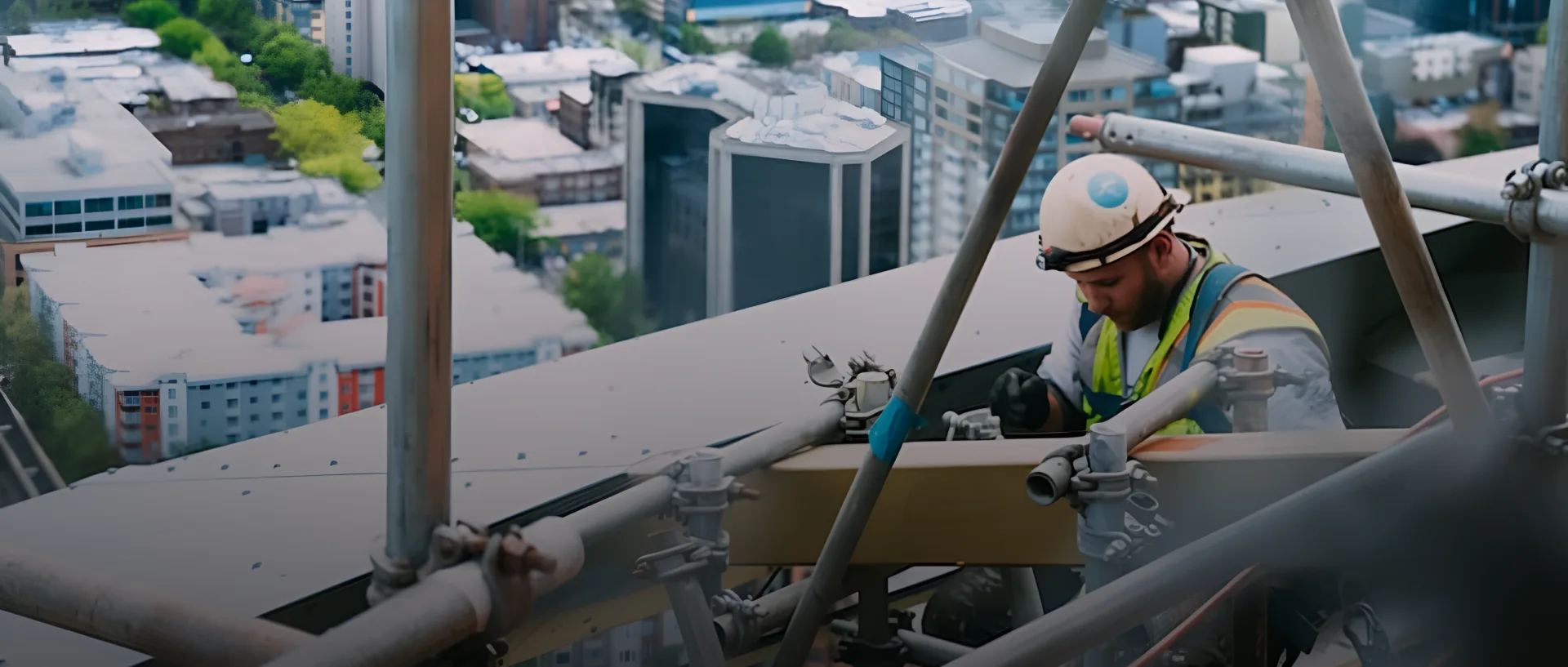
Falls remain one of the leading causes of serious injury and fatalities on construction sites. The safest approach is to eliminate the need for working at height altogether through design choices, prefabrication, or specialized equipment. When height work is unavoidable, collective protection such as guardrails and scaffolds should be prioritized, as they protect multiple workers simultaneously. Personal fall arrest systems like harnesses should only be the last line of defense, always paired with a clear rescue plan in case of an incident.
Critical practices
- Daily inspections of scaffolds and harnesses.
- Pre-task briefings with rescue plans in place.
6. Plant, Vehicle & Tool Safety
Tool maintenance
Hand tools and power tools are often overlooked when it comes to safety, yet they cause a significant number of minor injuries that can lead to downtime and lost productivity. Regular inspections help detect wear, damage, or malfunction before accidents occur. Workers should be encouraged to report faulty tools immediately, and supervisors must ensure replacements are provided without delay. A strong tool maintenance program not only reduces risks but also ensures consistent performance on site.
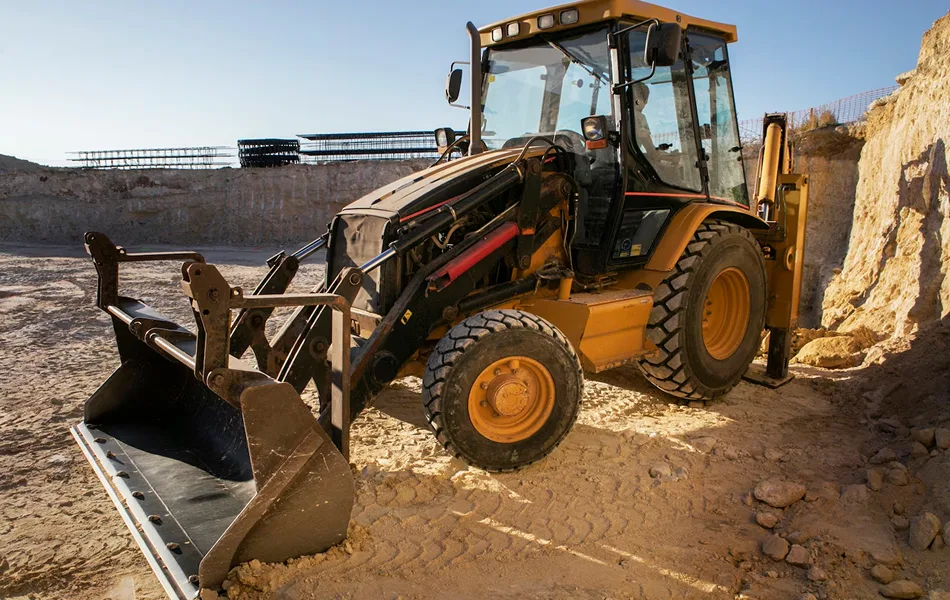
Plant and vehicle safety
- Pre-start checklists for all heavy equipment.
- Banksmen for guiding reversing vehicles.
- Exclusion zones around cranes and excavators.
Conclusion
Safety on a construction site isn’t optional — it’s a responsibility shared by everyone. By enforcing site inductions, PPE standards, clear communication, strict permits, fall protection, and plant/tool safety, projects can drastically reduce incidents and delays. Beyond rules, leadership and culture are what truly keep people safe: when workers watch out for each other and follow structured routines, safety becomes second nature.
A truly safe site doesn’t just meet compliance standards — it builds trust, improves morale, and keeps productivity high. Start today by reviewing your induction process, strengthening PPE checks, and ensuring that every worker has both the knowledge and the tools to return home safely at the end of the day.





programmer 11
- 02 Mar, 2026 10:15am
Reply
weewew
Reply