Building the Future: Modern Trends in Construction
The construction industry is changing fast — driven by decarbonisation targets, digital tools, new delivery models and the need for resilience. Below are 8 high-impact trends you can use on projects today. Per your request: 5 trends are explained in paragraph form (with practical context and actions) and 3 trends are presented as actionable lists.
Decarbonisation means designing so buildings use far less energy, run on clean electricity, and consume low-carbon materials. In practice that means prioritising passive strategies (tight envelopes, daylighting), switching to electric systems and heat pumps, and setting embodied-carbon targets using early LCAs and EPDs. For project teams the immediate actions are: set an operational carbon target, run a simple embodied-carbon comparison for structural systems in schematic design, and lock in electrical capacity early so heat pumps and EV charging aren’t afterthoughts. These steps reduce long-term costs and avoid expensive retrofits later.
2) Modular & Off-Site Construction (paragraph)
Off-site manufacturing — from volumetric modules to panelised façades and bathroom pods — shortens schedules, improves quality and reduces waste. Successful adoption requires early identification of repeatable elements, coordination of tolerances between designer and fabricator, and logistics planning for transport and crane access. Owners gain predictability (fewer weather delays) and contractors lower site labour intensity; designers should treat modularization as a design driver (grid, service zones, and interfaces) rather than a late procurement choice.
Generative design and AI let teams explore thousands of permutations quickly — optimizing layouts, structural grids and daylighting trade-offs — while predictive analytics surface schedule or cost risks before they happen. Start by using generative tools for one major decision (massing or layout), and feed past project data into simple AI pilots for schedule-risk scoring. Over time these tools shrink decision cycles, make tradeoffs visible, and help teams choose higher-value solutions with less guesswork.
4) Digital Twins, BIM & Integrated Project Data (paragraph)
Moving from BIM to living digital twins connects design, construction and operation: the model becomes a single source for maintenance, monitoring and future upgrades. To capture value, define what operational data you need (energy, faults, asset IDs) before construction, align BIM LOD to those needs, and lock in data governance early. When done well, digital twins shorten handover, reduce FM costs and enable predictive maintenance that prevents downtime.
“Great buildings are the outcome of smart decisions made early about energy, materials, data and how people will actually use the space.”
Johnatin Martin
- Head of Sustainable Projects
5) Resilient & Adaptive Design (paragraph)
Climate impacts and uncertain future uses demand buildings that survive shocks and adapt over decades. That means flood-resilient details (raised services, sacrificial lower levels), generous vertical service zones for re-routing, and flexible floorplates that can change use with minimal intervention. Incorporate climate-hazard checks into site selection, budget a modest adaptation contingency, and design risers/cores to accept future rewiring or plumbing changes — this extends asset life and reduces future embodied carbon from major renovations.
6) Automation, Robotics & 3D Printing (list)
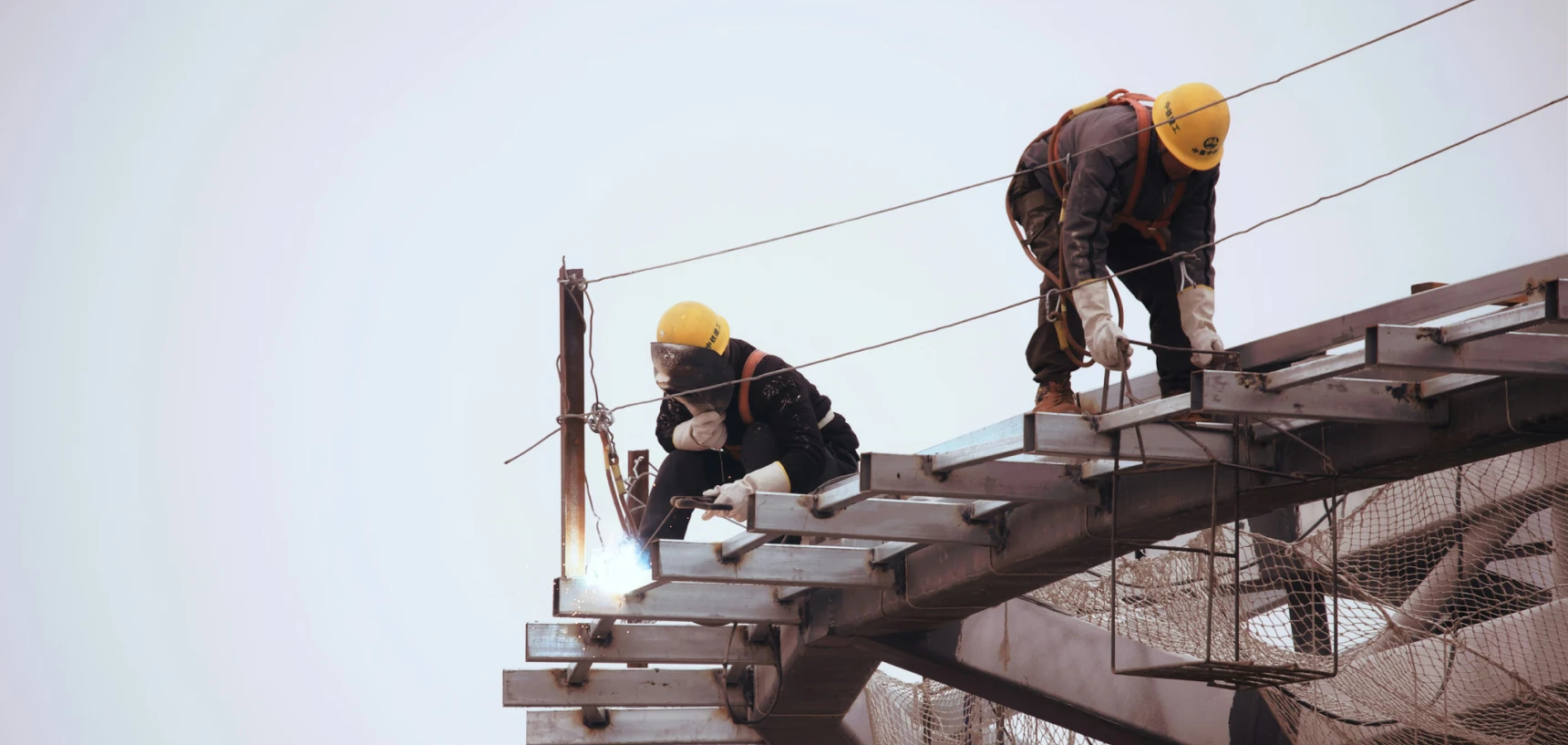
Identify repetitive, hazardous or precision tasks (bricklaying, rebar tying, heavy repetitive lifts) where robots or cobots improve safety and speed.
Pilot a small robotic/cobot use-case on a non-critical task to learn logistics and cycle times before scale-up.
Use 3D printing for complex façade elements, bespoke formwork or small structural prototypes to cut formwork waste and shorten fabrication time.
Factor transport, power and maintenance into automation ROI (robots need predictable, protected work zones).
7) Electrification of Construction Equipment & Low-Emission Sites (list)
Trial electric/hybrid plant (excavators, loaders) on one project via rental to validate run-time and charging needs.
Include temporary on-site charging and electrical capacity in early mobilisation plans.
Sequence works to allow shared chargers and reduce idle runs; schedule quieter electric shifts in dense urban areas.
Plan end-of-life and battery recycling options for major battery packs.
8) Circular Construction & Material Traceability (list)
Design for deconstruction: prefer bolted/mechanical connections, standardised sizes and modular assemblies.
Create and maintain a material passport for high-value items (façade panels, structural timber, cladding) documenting composition and reuse potential.
Require EPDs and supplier take-back or buy-back terms for major materials where possible.
Use off-site prefabrication and durable finishes to preserve material value and simplify future reclamation.
Conclusion
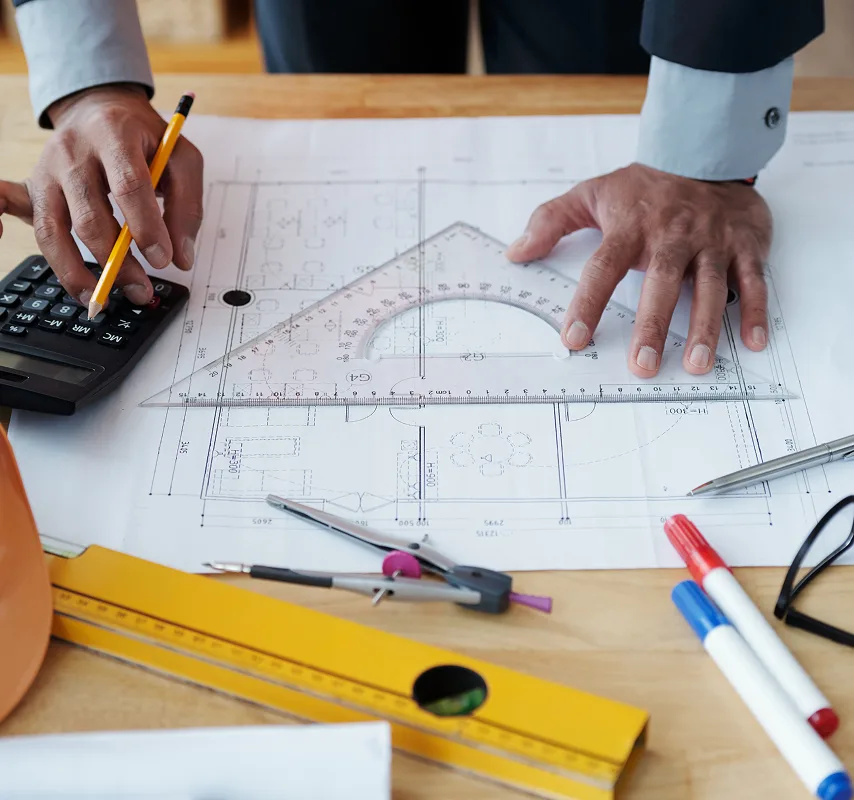
Planning and budgeting for a construction project is not a one‑time exercise but an ongoing process. From defining scope and feasibility to monitoring budgets and managing risks, each step contributes to project success. A well‑structured plan not only saves money but also reduces stress, improves collaboration, and ensures your vision becomes reality within time and cost limits.
Understanding project costs upfront is crucial to avoiding delays and overruns. Learn about the different types of cost estimates, the most common pricing models, and how to factor in labor, materials, equipment, permits, and risk.
Modern construction relies on the right tools to achieve speed, accuracy, and safety. We explore today’s most trusted equipment laser measurers,automated lifts, electric saws, and more that help teams stay productive and professional from the ground up.
15% Off
New Project
Experience modern living like never before
- Launch Offer -
Book before
30th October
and get exclusive early-bird discounts!
We Use Cookies
Our website uses cookies to enhance your browsing experience, analyze site traffic personalize content. By using our site, you consent to our cookie policy.
Privacy Preference Center
At Orion Construction, cookies are our digital building blocks. Some keep the site standing strong, while others help us improve performance and tailor your experience.
Manage Consent Preferences:
Help us lay the foundation for relevant content and project updates by showing you information tailored to your interests.
Like quality checks on a job site, these cookies let us measure traffic and monitor how our website is performing so we can keep improving. performing so we can keep improving.
The core framework of the website without these, the site can’t function. These cookies keep navigation, security, and basic services running.
These cookies are like the finishing touches remembering your preferences (such as location or settings) to give you a smoother, more customized visit.



tgete tertet
- 22 May, 2026 04:39am
Reply
etet
Reply