Construction sites are fast-paced, complex environments where multiple teams, heavy machinery, and critical deadlines come together. With so much activity, risks are an unavoidable part of the process. From small accidents to large-scale hazards, even a minor oversight can lead to injuries, delays, or serious financial losses.
A proactive approach to managing risks not only protects workers but also ensures smoother workflows and long-term cost savings. In today’s competitive construction industry, a strong safety culture isn’t just a legal requirement it’s a mark of professionalism, responsibility, leadership.
1. Identifying Hazards (Expanded Paragraphs)
Every successful risk management plan begins with identifying hazards. Construction sites are filled with potential dangers such as unprotected edges, moving vehicles, deep excavations, falling materials, and harsh environmental conditions. Each of these risks must be carefully assessed before work begins.
Managers should carry out detailed inspections at different stages of the project. What may seem safe at the foundation stage could become hazardous when multiple floors are added or when electrical work starts. A written hazard log ensures that no risk is overlooked and helps track corrective measures taken over time.
2. Training and Awareness (Expanded List)
Training equips workers to recognize and respond to risks before they turn into accidents. Some essential practices include:
Comprehensive Safety Inductions: Every worker must undergo an induction program explaining site-specific risks, emergency exits, and rules.
Regular Toolbox Talks: Short meetings before shifts help remind workers of daily safety priorities and keep awareness sharp.
Practical Demonstrations: Beyond theory, workers should practice correct use of machinery, scaffolding, and safety gear.
Encouraging Hazard Reporting: Workers should feel safe to report issues without fear of punishment. Early reporting prevents bigger accidents.
Creating a Safety-First Culture: Safety should be viewed as everyone’s responsibility, not just the site manager’s. This builds accountability at all levels.
3. Proper Use of PPE (Expanded Paragraphs)
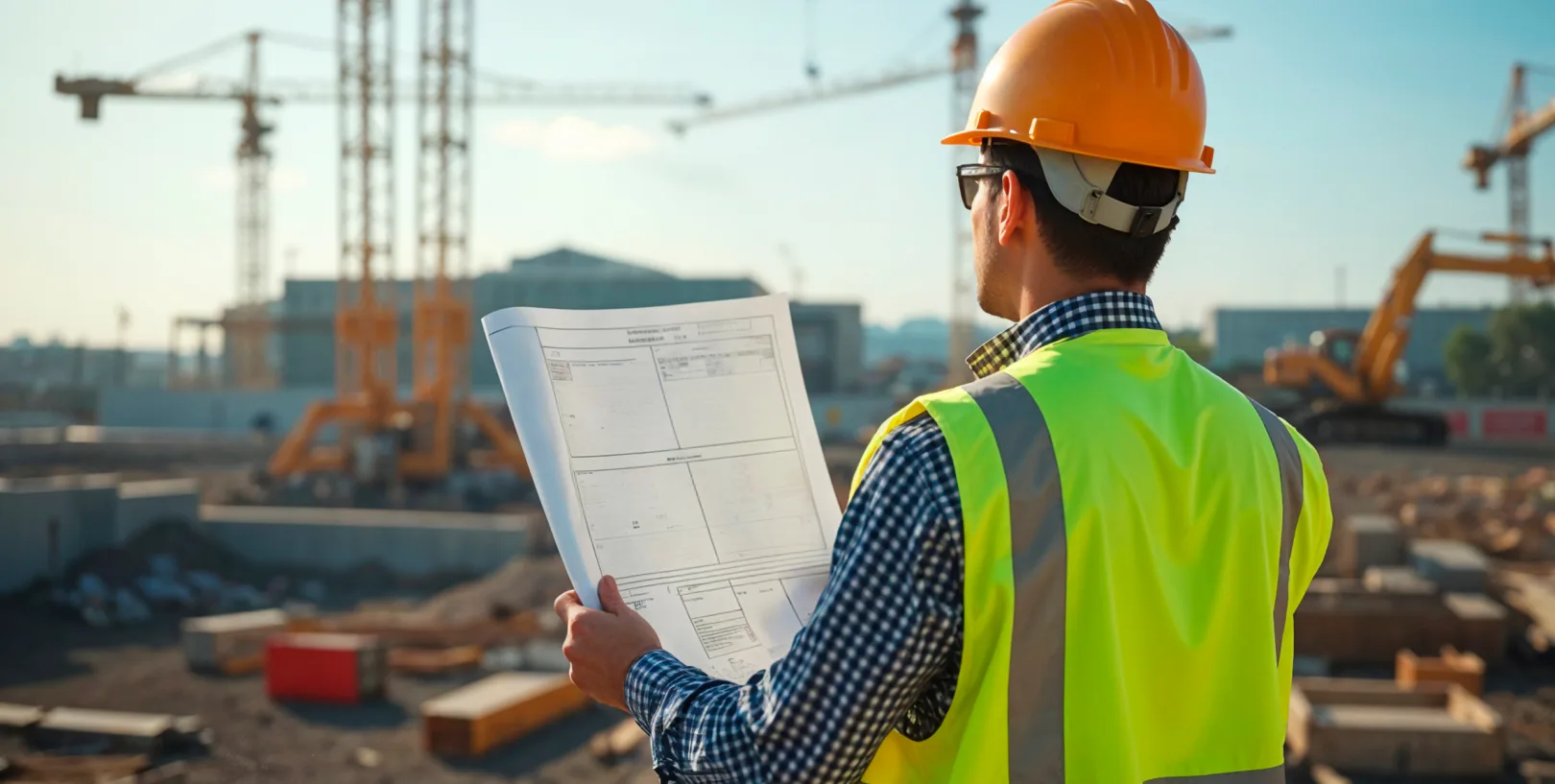
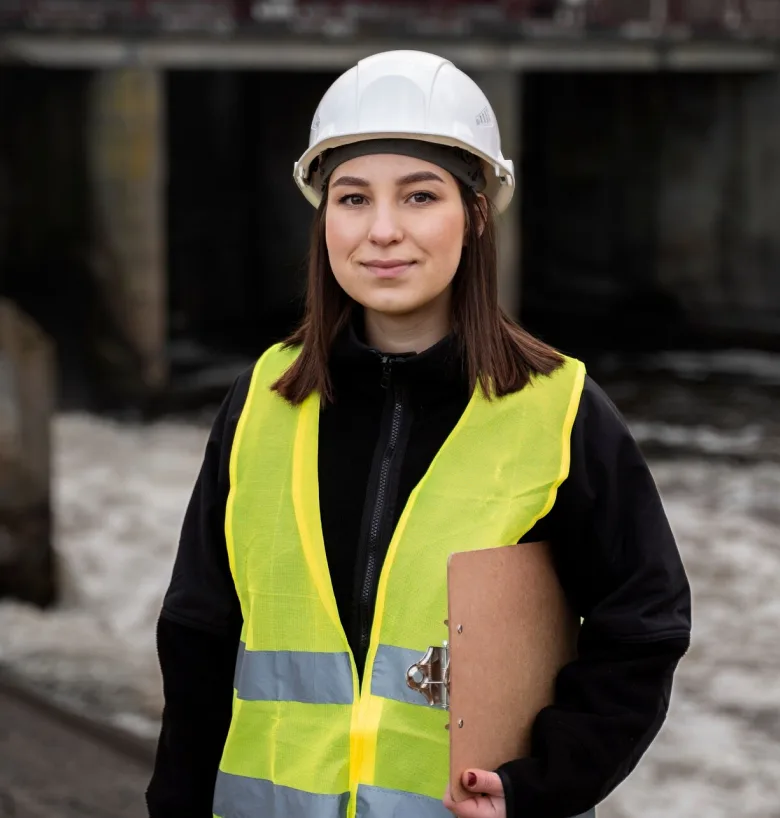
Personal Protective Equipment (PPE) is one of the simplest yet most effective defenses against construction site risks. Helmets, gloves, boots, goggles, and reflective jackets shield workers from everyday hazards like falling tools, chemical splashes, and sharp materials.
For high-risk tasks such as welding, demolition, or working at heights, specialized gear like harnesses, respirators, and ear protection is critical. However, PPE is only effective when workers are trained to use it properly and wear it consistently. Enforcing strict PPE policies not only saves lives but also sets a professional standard across the jobsite.
4. Machinery and Equipment Safety (Expanded List)
Construction sites rely heavily on machinery, and equipment-related accidents can be deadly if not managed properly. To reduce risks:
Routine Inspections and Maintenance: Regular servicing ensures machines run safely without sudden breakdowns.
Authorized Operators Only: Heavy equipment like cranes or forklifts should only be operated by trained and certified professionals.
Clear Danger Zones: Areas around moving equipment must be marked with barriers and signage to keep unauthorized people away.
Communication Systems: Operators and ground staff should use signals, radios, or alarms to avoid miscommunication during critical tasks.
Secure Storage: When machinery is not in use, it must be shut down, locked, and stored safely to prevent accidental activation.
Proper handling of machines not only prevents injuries but also extends the equipment’s lifespan, saving costs over time.
5. Working at Heights (Expanded Paragraphs)
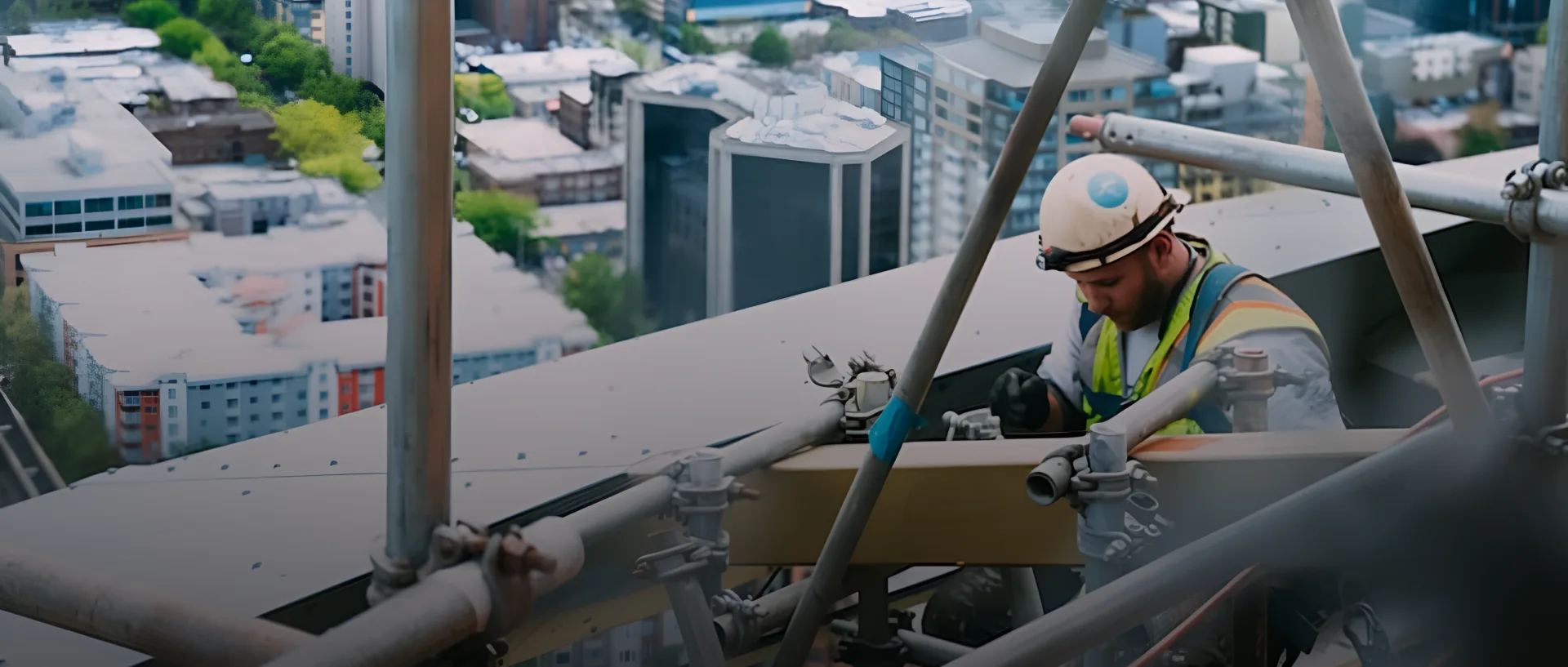
Falls remain the leading cause of construction fatalities worldwide. Whether it’s scaffolding, ladders, or rooftops, working at heights requires strict safety measures. Guardrails, harnesses, safety nets, and properly secured ladders are non-negotiable for protecting workers.
Daily inspections are equally important. Equipment that was safe yesterday may be weakened today due to weather or continuous use. Workers must also receive thorough training in height safety techniques, since improper harness usage can be as dangerous as not wearing one at all. A disciplined approach ensures that work at heights does not turn into life-threatening risks.
6. Hazardous Material Handling (Expanded List)
Many construction projects involve chemicals, paints, adhesives, or other hazardous materials. Mishandling them can result in severe injuries, poisoning, or fire hazards. Best practices include:
Safe Storage Practices All chemicals should be sealed and labeled clearly to avoid accidental misuse.
Access to Material Safety Data Sheets (MSDS): Workers must know the exact hazards and safe handling methods for every chemical used.
Protective Gear for Workers: Gloves, goggles, and respirators should be mandatory while handling or applying hazardous substances.
Well-Ventilated Workspaces: Closed spaces increase risks of inhalation; proper ventilation systems must be in place.
Environmentally Safe Disposal: Hazardous waste should be disposed of in line with government and environmental regulations.
Following these measures ensures both worker safety and environmental protection.
“Safety on construction sites is not just about preventing accidents; it’s about building a culture where every worker returns home safely each day.”
Daniel Cooper
- Techcraft solutions
7. Emergency Preparedness (Expanded Paragraphs)
No matter how well risks are managed, construction sites must always be ready for emergencies. Fires, medical incidents, or structural collapses can strike without warning. A clear and practiced emergency response plan can mean the difference between chaos and controlled safety.
Sites should have fire extinguishers, alarms, first-aid kits, and trained emergency responders available at all times. Regular evacuation drills train workers to respond calmly and quickly, minimizing panic during real emergencies. By preparing for the unexpected, construction managers create confidence and trust among the workforce.
8. Continuous Monitoring (Expanded List)
Risk management is not a one-time effort but a constant cycle. Ongoing monitoring ensures hazards are controlled effectively. This includes:
Daily Walkthroughs: Supervisors should inspect and record site conditions every day.
Accident and Near-Miss Logs: Documenting incidents helps identify patterns and prevent repeat risks.
Reviewing Safety Procedures: Updating rules regularly ensures they remain relevant as work progresses.
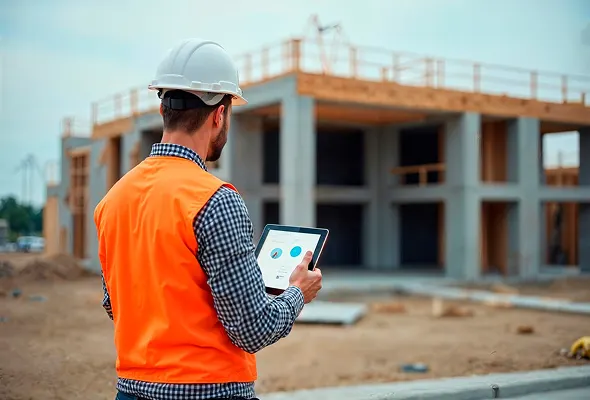
Technology Use: Drones, AI cameras, and sensors can help detect risks more accurately than manual checks.
Feedback Systems: Workers’ input should be considered in refining safety practices.
With continuous monitoring, risks are addressed before they escalate, making sites safer and more efficient.FF
Conclusion
Managing construction site risks is about creating a balance between productivity and protection. From hazard identification to continuous monitoring, every step plays a crucial role in reducing accidents and ensuring smooth operations.
When risks are managed effectively, workers feel safe, morale improves, and projects are completed on time without costly interruptions. Safety is not just about compliance — it’s an investment in efficiency, trust, and the long-term success of every construction project.
Understanding project costs upfront is crucial to avoiding delays and overruns. Learn about the different types of cost estimates, the most common pricing models, and how to factor in labor, materials, equipment, permits, and risk.
Modern construction relies on the right tools to achieve speed, accuracy, and safety. We explore today’s most trusted equipment laser measurers,automated lifts, electric saws, and more that help teams stay productive and professional from the ground up.
15% Off
New Project
Experience modern living like never before
- Launch Offer -
Book before
30th October
and get exclusive early-bird discounts!
We Use Cookies
Our website uses cookies to enhance your browsing experience, analyze site traffic personalize content. By using our site, you consent to our cookie policy.
Privacy Preference Center
At Orion Construction, cookies are our digital building blocks. Some keep the site standing strong, while others help us improve performance and tailor your experience.
Manage Consent Preferences:
Help us lay the foundation for relevant content and project updates by showing you information tailored to your interests.
Like quality checks on a job site, these cookies let us measure traffic and monitor how our website is performing so we can keep improving. performing so we can keep improving.
The core framework of the website without these, the site can’t function. These cookies keep navigation, security, and basic services running.
These cookies are like the finishing touches remembering your preferences (such as location or settings) to give you a smoother, more customized visit.


test dow
- 30 Dec, 2025 10:39am
Reply
test tests
Reply